A Falcon Amongst The Pigeons
Pigeons can poop between 40-50 times a day and depending on the size of the pigeon, they can poop pretty close to their body weight every month. Whichever way you look at it, that’s a lot of poop from a single pigeon, and a lot of mess. Especially as pigeon flocks range in size from around 50, all the way up to 500.
The problem this poop poses for facades is significant. Aesthetically, it’s a pain and it needs cleaning. But the real damage is done from the uric acid present in the poop. It can corrode and erode metals and stonework. When it comes to aluminum facades, it’ll break down the protective aluminum oxide layer, expediting a chemical reaction which’ll eventually lead to pitting corrosion.
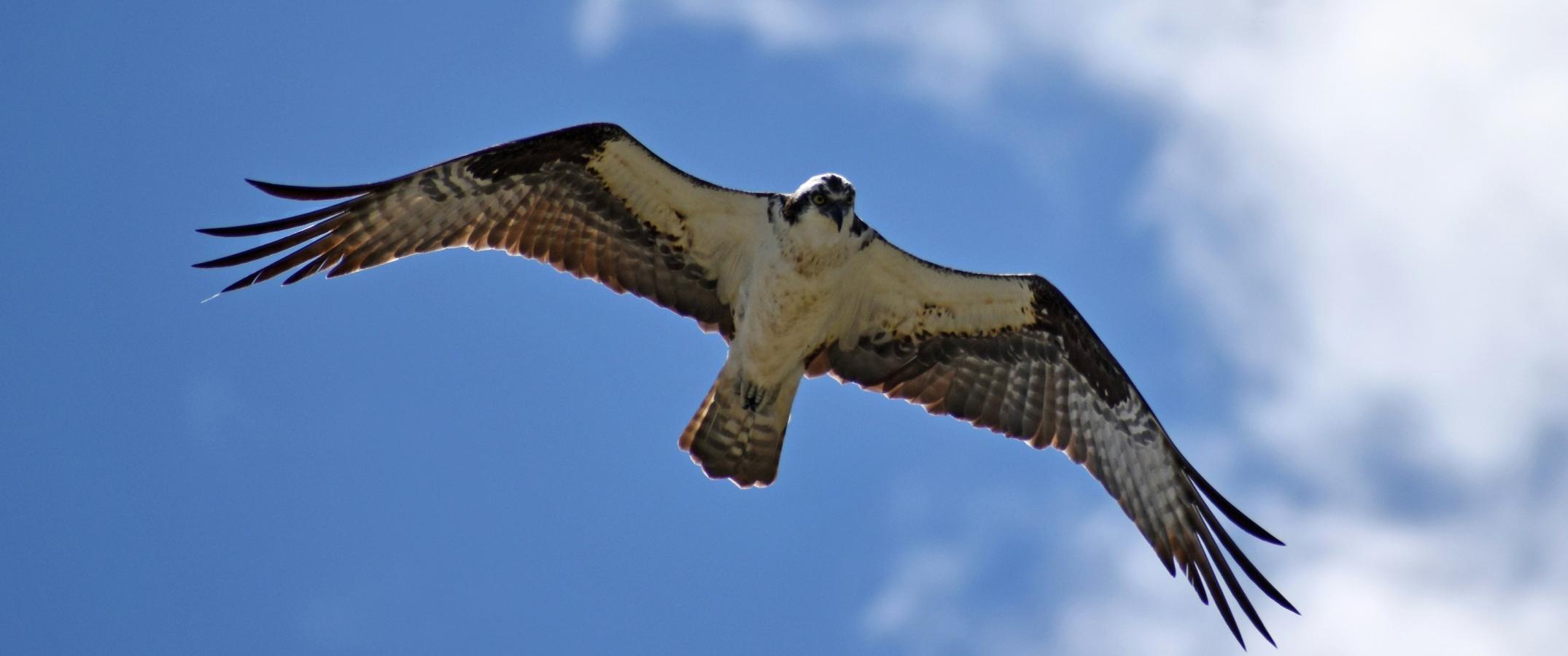
For the pigeons of Dubai and similar locations, it’s easy to see why all the tall buildings appeal. There’s plenty of places to nest away from the threat of mankind, it’s nice and peaceful, and the views are amazing. Unless they include the site of a falcon, anyway.
Building owners, rightly annoyed with their new facades being defecated on, are employing specialist falconry pest control businesses for prices starting at around $10,000 per month. For this, a falconer will fly his raptors around the building on a schedule that’s regular enough for pigeons to learn to stay away. So it’s not as if as soon as the falcons disappear, the pigeons reappear. They know better than to risk it. It’s a tricky job for the falconer though as their birds need to remain in plain sight or risk getting lost, which is why most are fitted with tracking collars.
In the UAE, it’s not just the pigeon causing issues but also the Indian crow. They migrated from Asia and have slowly pushed the other birds out. Yet even these crows know to keep their distance from a falcon.
Yet not everyone is happy with falcons used in such a way. They point to the history of falconry and believe it diminishes the bird when other methods for pest control are available, such as pills and ultrasound.
For building owners, it sure is effective though. So much so, the use of falcons in pest control isn’t limited to the Middle East. They’ve been used at the Piazza San Marco in Venice and Trafalgar Square in London. Although we imagine the belligerent cockney pigeons came back pretty quickly, rhyming slang insults on the tip of their beaks.
Other locations to have used falcons include the Houses of Parliament in London. As have Wimbledon organisers in an effort to keep centre court pigeon free. They’ve even been used at JFK in New York to chase away other birds and free up the airspace, reducing the risk of birdstrike.
What’s for certain is protecting your facade with falcons works. And let’s be honest, falcons really are beautiful creatures and seeing them fly is a sight to behold. We’re not sure any robotic solution will ever be as mesmerising to watch.